Introduction
In any type of emergency scenario, Visit the website the ability to assess a casualty's responsiveness can indicate the difference in between life and death. Recognizing exactly how to execute this vital assessment is vital for anyone involved in Basic Life Support (BLS) training. This write-up delves into The Value of Inspecting Responsiveness: A BLS Essential, discovering its value within the wider context of standard vs sophisticated life assistance techniques, healthcare facility codes and methods, and much more.
Table of Contents

- What is Responsiveness? Why is it Important in Emergencies?
- Overview of Basic Life Support Transitioning to Advanced Life Support
- Step-by-Step Guide Common Blunders to Avoid
- Signs of No Breathing What to Do Next
- Understanding AEDs When to Utilize an AED
- Benefits of BLS Training How to Get Certified
- The Significance of Teamwork Recommended Compression Rates
- Techniques for Remaining Calm The Role of Composure in Efficient Response
Understanding Responsiveness in BLS
What is Responsiveness?
Responsiveness refers to an individual's capability to react to stimuli, such as verbal commands or physical touch. In a medical emergency, assessing responsiveness aids identify the urgency and kind of care required.
Why is it Important in Emergencies?
Checking responsiveness permits -responders to promptly evaluate a sufferer's condition, assisting succeeding activities such as calling for help or performing mouth-to-mouth resuscitation. Fundamentally, it sets the stage for all further interventions.
Basic vs Advanced Life Support
Overview of Basic Life Support
Basic Life Assistance (BLS) incorporates vital methods aimed at maintaining life until sophisticated clinical help arrives. It includes checking responsiveness, executing CPR, and using an Automated External Defibrillator (AED).
Transitioning to Advanced Life Support
Advanced Life Support (ALS) includes more advanced clinical treatments that educated experts conduct, such as providing medications and advanced air passage administration techniques.
How to Check Responsiveness
Step-by-Step Guide
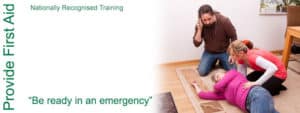
Approach the private calmly. Gently touch their shoulder and talk loudly however clearly. Observe their response; if there's no response, proceed with additional assessments.Common Blunders to Avoid
- Failing to examine breathing after evaluating responsiveness. Not asking for emergency services promptly if there is no response.
Identifying No Breathing
Signs of No Breathing
In some situations, an individual may be less competent yet still taking a breath improperly or not at all. Look for:
- Absence of breast movement. No distinct breaths.
What to Do Next
If you recognize no breathing:
Call emergency situation services immediately. Begin mouth-to-mouth resuscitation without delay.Public Defibrillator Usage
Understanding AEDs
An Automated External Defibrillator (AED) is a portable gadget created to analyze heart rhythms and supply an electric shock when necessary.
When to Utilize an AED
Use an AED when:
- The person is unresponsive and not breathing. Medical experts are on their way but immediate activity is required.
BLS Certification Importance
Benefits of BLS Training
Obtaining BLS certification equips individuals with essential skills needed during emergencies, enhancing their confidence in responding effectively.
How to Obtain Certified
Certification programs are offered with numerous companies such as the American Heart Association (AHA) or Red Cross-- choose one that fits your schedule!
Taking Activates Compressions
The Value of Teamwork
When several -responders exist, taking turns on compressions aids prevent fatigue and makes certain high-grade breast compressions throughout the resuscitation process.
Recommended Compression Rates
The optimal compression rate during CPR is 100-120 compressions per minute; ensuring this uniformity can dramatically improve survival chances.
Maintaining Calmness During Emergencies
Techniques for Remaining Calm
Staying calm throughout a dilemma is critical-- not simply for your own efficiency however also for those around you that may be looking for leadership throughout chaos.
Take deep breaths prior to approaching the situation. Focus on tasks instead of emotions; this will certainly help you remain centered.The Function of Calmness in Effective Response
Your attitude can substantially affect exactly how others react-- maintaining composure urges team effort and instills confidence amongst bystanders assisting with care.
Conclusion
In recap, comprehending how and why we examine responsiveness develops the backbone of efficient BLS training and treatments during emergencies. Whether you're navigating basic vs sophisticated life support scenarios or making use of public defibrillators efficiently, every second counts when lives are at risk-- making understanding regarding these procedures invaluable.
FAQs
Q1: What ought to I do if a person is unresponsive?
A1: Examine their responsiveness by carefully tapping them and yelling their name; if they are less competent, call emergency situation solutions immediately.
Q2: How does checking responsiveness vary from various other assessments?
A2: Monitoring responsiveness specifically examines a person's understanding degree while other analyses may involve inspecting crucial indicators or breathing patterns.
Q3: Is BLS qualification essential for everyone?
A3: While not necessary for everybody, obtaining BLS qualification can empower you with important abilities that could conserve lives in emergencies.
Q4: Can I utilize an AED on somebody who reveals indications of breathing?
Q5: Exactly how commonly must I exercise my mouth-to-mouth resuscitation skills?
A5: It's a good idea to freshen your CPR abilities through routine training sessions at least every two years or sooner if you really feel unsure concerning your abilities.
Q6: Does preserving calmness truly effect emergency outcomes?
A6: Definitely! Composed responders tend to act extra efficiently which favorably affects both group dynamics and client outcomes.
By focusing on the value of checking responsiveness within Basic Life Support training structures, we accept our responsibility as prospective lifesavers-- equipping ourselves with knowledge that can change moments of dilemma right into chances for hope and recovery!